Power Electronics & Battery Systems Development

A power circuit may pass initial tests but fail in a sealed enclosure under peak load, low temperature, or real use. That’s why we integrate batteries, converters, chargers, and BMS into the full product architecture, accounting for heat, EMC, safety, certification, and production from the start.

DC/DC, BMS, charging systems
1S–24S+ battery management
Design-for-certification approach
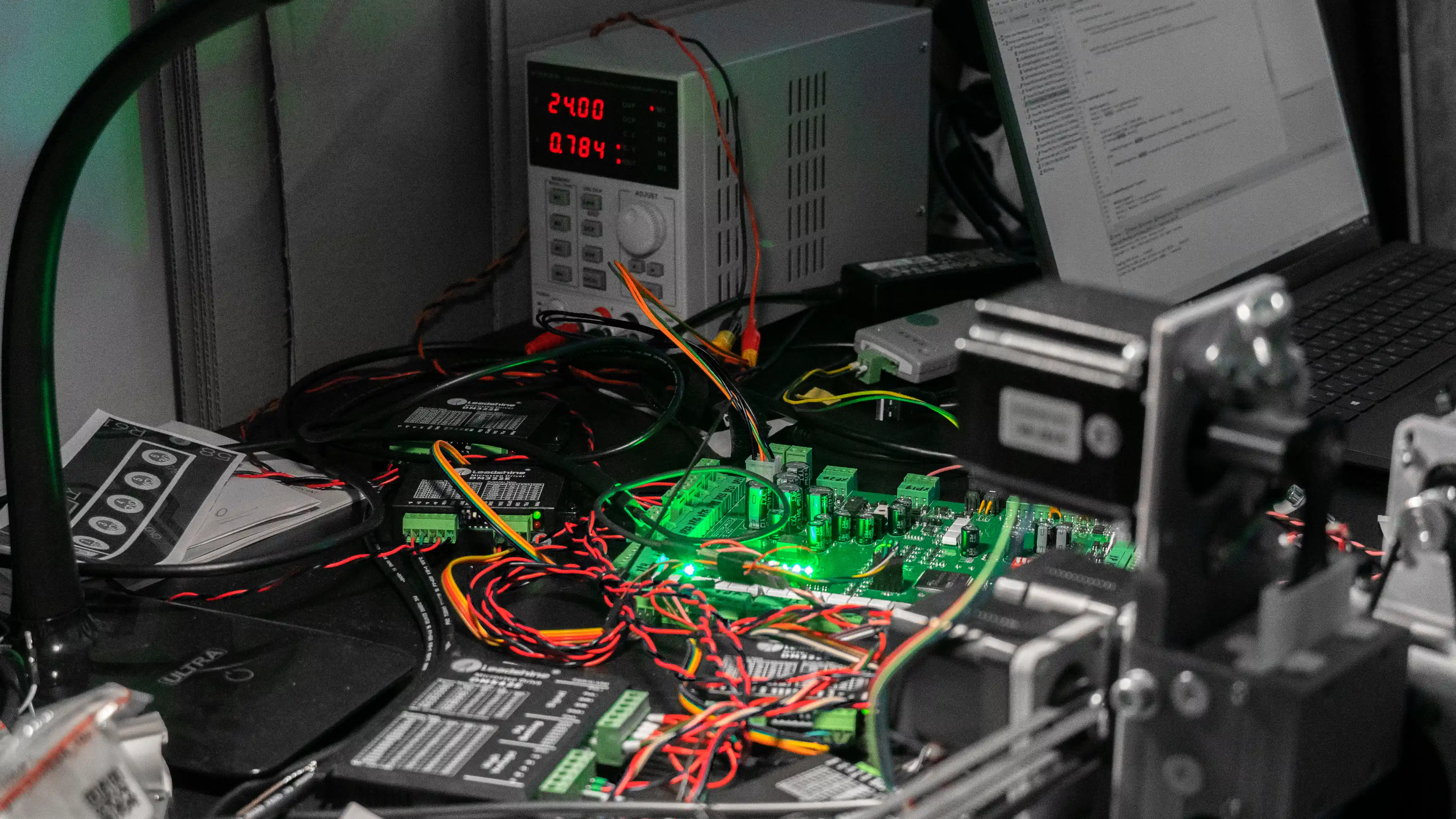
Power Electronics & BMS by EnCata are Required When

Thermal and EMC issues become a development risk

Power electronics may pass bench tests yet fail inside a sealed enclosure due to heat buildup, switching noise, grounding issues, or layout constraints. So we address these early – before they cause certification or redesign problems.

Battery behaviour must be predictable and safe

Battery-powered products need more than basic protection – aging, temperature, and loads can distort SoC readings and affect safety. Hence, we design BMS with charge estimation, balancing, abuse protection, and temperature behavior from the start.

Certification requirements affect architecture decisions

Medical, wearable, and industrial products often require IEC 62133, IEC 60601-1, EMC directives, or other standards. Сertification constraints influence topology, isolation, PCB layout, and protection logic from the beginning.

Expert Insight

Featured projects

Work that highlights the incredible technologies, solutions, and products EnCata developed

View all portfolio
Consumer & wearable

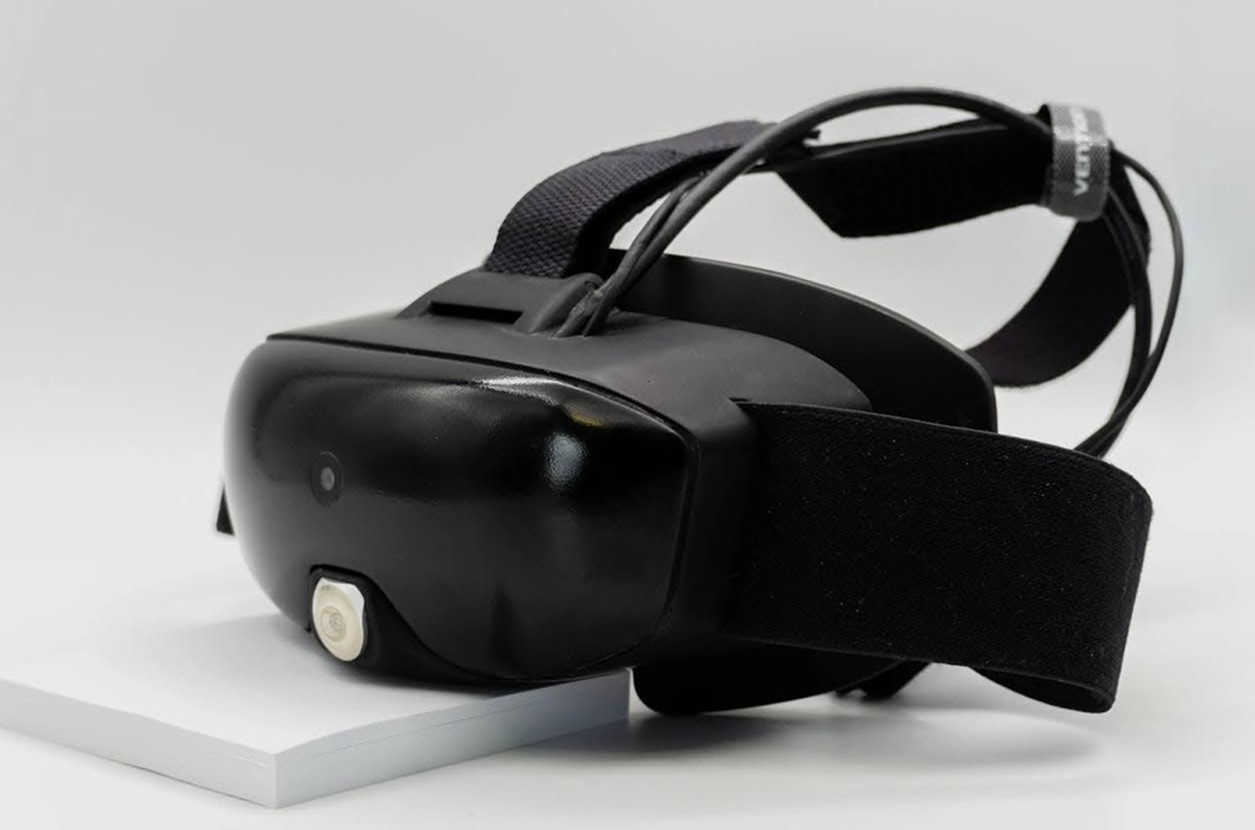
8K VR Headset for Sports

EnCata developed an 8K VR headset for sports training which featured ultra-high resolution, a wide field of view, and compact dimensions. It allowed real-time interaction between players in different places. The prototype was ready for pilot production in just 8 months.

8K

display resolution

90-110°

field of view

View Project
Vehicles

Electric skateboard for urban mobility

We helped an electric mobility startup turn a raw prototype into a smart, IoT-connected skateboard for city commuting. The device is a reliable, eco-friendly, convenient, and intelligent type of urban transport with the possibility of integration into urban infrastructure.

3 patents

filed as a result of our R&D efforts

7.0 kg

final weight (2–3× lighter than typical alternatives)

View Project
Vehicles

Autonomous Drone Station

EnCata delivered UAV engineering services, designing and manufacturing an autonomous drone docking station with charging, climate control, and positioning systems. The product supports surveillance, delivery, and inspections in Arctic to desert conditions.

15 kg

max take-off weight

1400 mm

max host drone diameter

View Project
Agriculture

Smart Soil Irrigation System Development

EnCata helped a startup develop a smart soil irrigation system from concept to MVP. The system includes custom electronics, BLE, LoRaWAN, and solar-powered modules for real-time soil monitoring and control. Built and tested in just 8 months.

5 kms

range of operation

2 control options

remotely through the mobile network and directly via Wi-Fi modules

View Project
Robotics

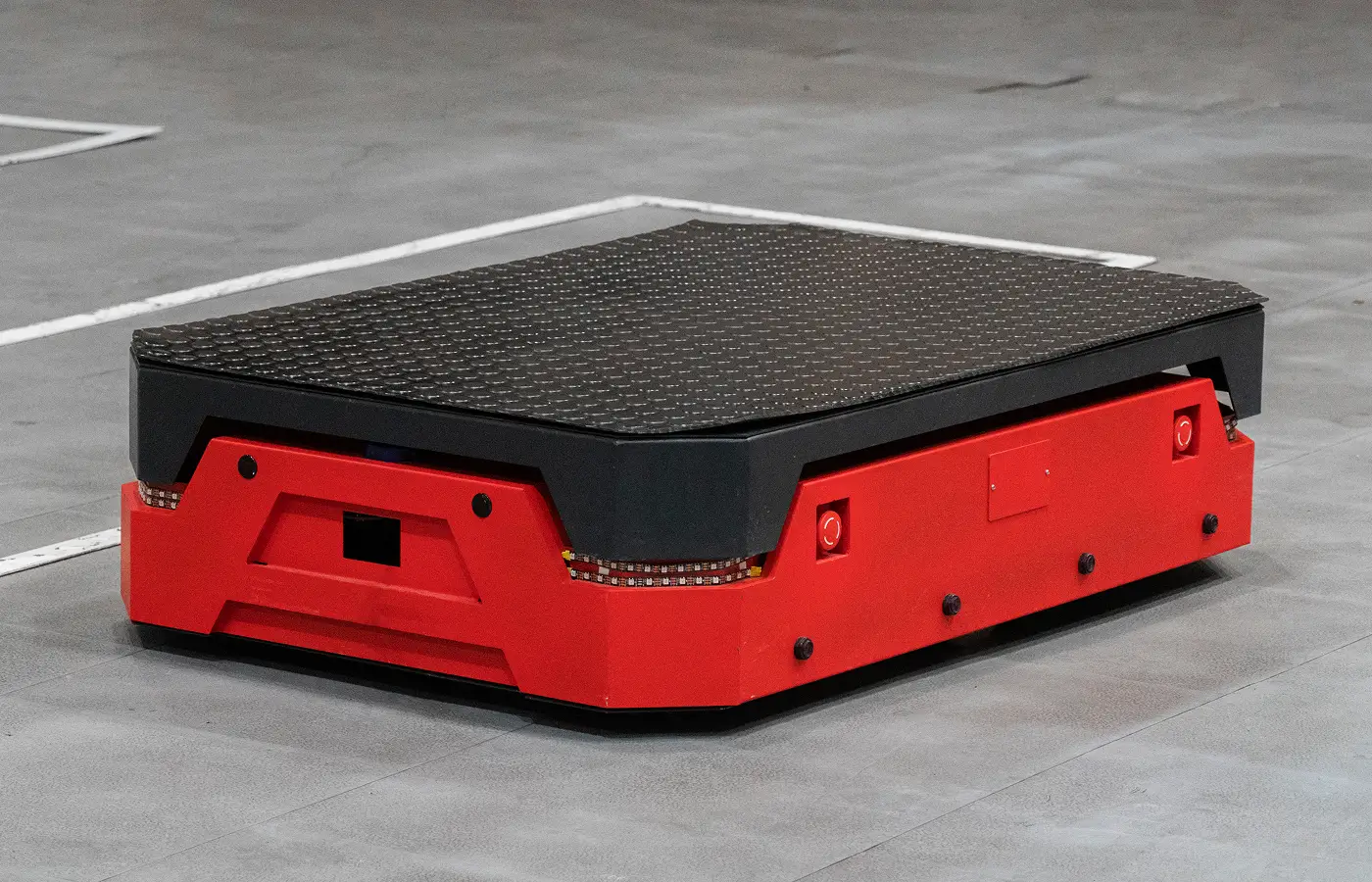
Custom Warehouse and Factory Robot

EnCata developed a minimum viable product – a robot for factory and warehouse automation. It can carry loads of up to 200 kg, operate autonomously for 3 hours without recharging, and features a 120×80×40 cm platform.

200 kg

load capacity

3 hours

operating time under load

View Project
Consumer & wearable

Custom Smart Kitchen Kettle

EnCata developed a smart kitchen appliance for a European company entering the smart home market. We delivered feasibility studies, electronics, firmware, and a working prototype for a device that brews coffee, tea, and prepares baby formula.

1.5 min

to cool water from 100 °C to 38 °C

4 patents

filed during development

View Project
Consumer & wearable

IoT powered rodent detector

EnCata engineered an IoT rodent detection system with movement sensors and NB-IoT data transfer. The system detects rodent activity and sends data to the cloud. The project spanned from electronics design and 3D modeling to prototype development and a 10-unit pilot batch in 6 months.

10 µA

standby current of the first prototype

23 h

time to manufacture 10 prototypes

View Project
0
0
PRIORITIES

How We Develop BMS & Power Electronics

The following scope of work is based on where battery and power systems most often create risk: early architecture choices, thermal and EMC behavior inside the enclosure, BMS accuracy under real conditions, and production constraints that appear before pilot builds.

Each stage is designed to catch these issues before layout, BOM, or certification decisions become expensive to change.

01

Requirements & System Architecture

We define the power architecture before hardware development begins: input voltage range, battery chemistry, charging strategy, power rails, operating modes, and certification constraints.

This gives you a clear electrical architecture before critical power, safety, and compliance issues surface in testing.

02

Power Electronics & BMS Engineering

We develop DC/DC converters, charging systems, protection logic, fuel gauge integration, and communication interfaces based on real operating conditions.

For battery systems, we cover balancing, SoC estimation, overcurrent protection, thermal protection, and hardware-firmware interaction.

03

PCB Layout, Thermal & EMC Validation

We define switching loops, grounding, current paths, and thermal dissipation at layout, before prototype issues appear.

Prototypes are validated under load for charging behaviour, thermal performance, electrical stability, and protection timing.

04

Production & Certification Readiness

We refine the system for manufacturing, certification, and pilot production through DFM updates, production-ready PCB revisions, CE/TÜV/IEC-related validation planning, and manufacturing documentation.

We also qualify alternate components before the BOM is locked, reducing the risk of production delays caused by single-source gate drivers, protection ICs, or other critical parts.

Product development life cycle

1

Discovery

Initial research phase that defines the problem the product will solve and how it will create value. At this stage, the team assesses current conditions — whether building from scratch or improving an existing system — sets the scope of work, and identifies risks or bottlenecks. The outcome is a validated concept, with impractical ideas discarded and a plan for addressing issues before and after launch.

2

Feasibility study

At this stage, we move from ideas to validated decisionsWe define a feasible product architecture, compare implementation options, and verify critical assumptions both technically and economically

3

POC

Tangible demonstration that an idea or concept is technically feasible. At this stage, The team relies on components and materials that are simple, readily available, and often temporary, such as basic breadboards, hobby-grade motors. The goal is to test key hypotheses, using minimal resources, and keep attention on the core objective.

Learn more
4

Prototype

Preliminary model of a future device that already performs its primary function. At this stage, the team employs more reliable and efficient components (e.g., advanced microcontrollers, high-quality motors, precision drive mechanisms). Unlike a PoC, a prototype typically has an enclosure, though it may not yet be finalized.

5

MVP

Functional prototype developed on the basis of engineering calculations, with an optimized BOM, custom-designed electronics, and uniquely engineered mechanical parts. It is intended for field or laboratory testing.

6

Pilot

Limited-scale production and deployment of the finished product to validate it under real operating conditions. At this stage, the team gathers user feedback, monitors performance in the field, and identifies any issues that only appear in day-to-day use. Insights from the pilot phase guide final adjustments before mass production.

Want to develop a custom solution?

Our team is eager to discuss how we can assist you and answer any questions you may have. Don't hesitate to reach out!

Discuss your project

Deep engineering without Tier 1 overhead

We deliver CE- and IEC-ready power systems at reasonable budgets.

The difference is not engineering depth. It is lower project overhead.

Reduced certification iterations

Our experience with power electronics and BMS development helps identify thermal, EMC, protection, and architecture issues early, reducing redesign cycles before certification.

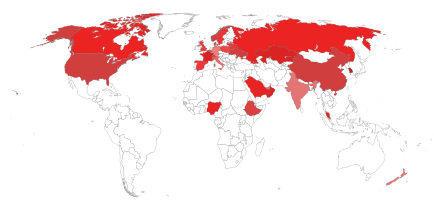
Work globally, ship globally

We work with startups and product teams worldwide and deliver hardware internationally.

Certification-ready product

We develop power electronics and BMS with the CE, TÜV certification requirements in mind.

Expert Insight

We Design Battery and Power Systems for Real-World Products

Power systems must operate reliably under electrical, thermal, and production constraints.

To achieve this, we focus on:

Battery safety and protection

Fault protection should not rely on hardware or firmware alone. We cover overvoltage, undervoltage, overcurrent, overheating, and short-circuit scenarios across the full system.

Сomponent strategy

We select components with lifecycle, availability, and production scaling in mind to reduce redesign risks during later stages.

Thermal performance

Bench spec at 25°C doesn't predict behavior inside a sealed enclosure. We run thermal models before layout is frozen using real enclosure geometry, not open-bench assumptions.

EMC behavior

Buck converter noise can couple into CAN or I²C lines through shared ground paths, with failures appearing only under load. We define grounding strategy and switching loops from the first revision.

Power Electronics & Battery Systems workflow

From Architecture To Production-Ready Power System

Depends on complexity, certification scope, and validation cycles

Typical full-cycle timeline
4 – 12 weeks
Used in 80+ hardware PoC projects
1
1 - 2 weeks

System Definition & Constraints

Electrical architecture, battery configuration, operating modes, certification targets, and production limitations.

Key Deliverables:
  • System architecture definition
  • Initial topology selection
  • Electrical & certification constraints
2
2 – 4 weeks

System Engineering

Power stage, battery monitoring, protection logic, and communication interfaces.

Key Deliverables:
  • Schematics and PCB architecture
  • BMS and protection logic
  • Thermal and electrical calculations
3
2 – 4 weeks

Prototyping & Validation

System validated under real electrical and thermal conditions, including charging, protection, and load scenarios.

Key Deliverables:
  • Functional prototypes
  • Thermal and EMC validation
  • Hardware iterations
4
2 – 4 weeks

Production Readiness

System developed for manufacturing, certification, and pilot production.

Key Deliverables:
  • Production-ready PCB
  • BOM
  • Manufacturing documentation
Get your project timeline
Free estimation based on your requirements
Industries

We Design Across Various Industries

Deep domain understanding increases the success rate of your product.

Consumer & wearable

Consumer & wearable

96
projects delivered

Our team specializes in full-cycle consumer electronics and wearables development and manufacturing. Explore the page to see relevant project examples.

See how we deliver
IIoT & automation

Industrial IoT (IIoT) and Automation Hardware Solutions

15
projects delivered

EnCata will automate your production facility or warehouse with sensors, actuators, and edge computing, providing real-time data processing and efficiency.

See how we deliver
Industrial equipment & tools

Custom Industrial Equipment & Tools

243
projects delivered

Can’t find the right equipment? Discover how EnCata’s custom-built solutions tackle your unique challenges and enhance your production efficiency.

See how we deliver
Analytical & lab equipment

New Analytical & Laboratory Equipment Development

12
projects delivered

Explore EnCata’s custom solutions for analytical and lab equipment. Discover our precision design and development services—click to enhance your lab today!

See how we deliver
Agriculture

Custom Agricultural Hardware Solutions

8
projects delivered

EnCata helps bring your new tech in agriculture to life, including precision agriculture and robotic farming, turning your innovative ideas into reality.

See how we deliver
Green tech

Green Tech

projects delivered

This page is still under development. If you're interested in our experience in this field, please fill out the contact form and we’ll get back to you.

See how we deliver
Healthcare

Healthcare

23
projects delivered

Expertly developed, tested, and manufactured devices ready for market entry. We guide your product through all stages to market. Go test our expertise!

See how we deliver
Robotics

Robotics Solutions for Cutting-Edge Automation

6
projects delivered

Custom robotics solutions for automation—robotic arms, AGVs, and more. Contact us to develop tailored robotics systems for your business needs.

See how we deliver
Smart city

Smart City

projects delivered

This page is still under development. If you're interested in our experience in this field, please fill out the contact form and we’ll get back to you.

See how we deliver
Food tech

Custom Hardware Solutions for Food and Drinks

6
projects delivered

We develop custom solutions for food and drinks: from dosing and filling systems to quality control, and automated cooking systems. Contact us today!

See how we deliver
Vehicles

Vehicles

projects delivered

This page is still under development. If you're interested in our experience in this field, please fill out the contact form and we’ll get back to you.

See how we deliver
Other

Other

projects delivered

This page is still under development. If you're interested in our experience in this field, please fill out the contact form and we’ll get back to you.

See how we deliver
Expert Insight

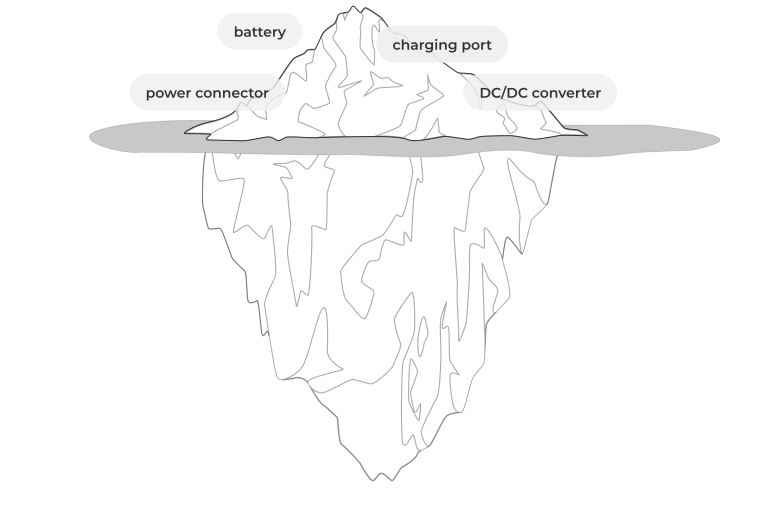
More Than a Battery and Connector

At first glance, a battery-powered device may seem simple: connect a battery, add a charging port, and the system should work.

In practice, even a compact power system includes many interconnected components that affect the entire product design.

Product architecture changes

Heat from power components affects PCB layout, component spacing, enclosure ventilation, and sometimes even device size.

Additional hardware

Protection against overcurrent, overheating, and short circuits adds monitoring ICs, MOSFETs, sensing circuits, and firmware logic.

PCB & enclosure design iterations

Current paths, filtering, isolation distances, and connector placement directly influence PCB layout and enclosure geometry.

PRODUCT MATURITY

From Power Architecture to Production-Ready Hardware

This path shows how a battery or power electronics system moves from architecture validation to a production-ready design.

Architecture Validation

Is the selected power architecture viable?

1 – 2 weeks
Production Method
Development boards / breadboards / rapid PCB prototypes
Design State
Early electrical architecture without production constraints
Engineering Focus
DC/DC topology selection, charging approach, initial SoC estimation, thermal feasibility
trl
4

Functional Prototype

Does the system operate as intended?

2 - 3 weeks
Production Method
Custom PCB fabrication / assembled engineering prototypes
Design State
Functional PCB with charging, monitoring, and protection circuitry
Engineering Focus
Electrical behaviour, efficiency, thermal performance, communication interfaces
trl
5

Validation Prototype

Does the system remain stable under real conditions?

2 – 4 weeks
Production Method
Low-volume assembled PCBs / validation prototypes
Design State
Design reflects thermal, EMC, and enclosure-related constraints
Engineering Focus
Heat dissipation, EMC pre-compliance, abuse protection, SoC calibration
trl
6

Pre-Production Design

Is the system ready for certification and pilot manufacturing?

2 – 3 weeks
Production Method
Pilot PCB production / DFM-reviewed manufacturing setup
Design State
Production-ready PCB layout, filtering, protection, and thermal strategy
Engineering Focus
Certification preparation, repeatability, pilot production readiness, manufacturing validation
trl
7
Expert Insight

Read to Understand How We Think

We share our approach to product development, engineering decisions, and real project experience. No marketing noise — just practical insights and structured thinking.

Thank you! Your submission has been received!
Oops! Something went wrong while submitting the form.

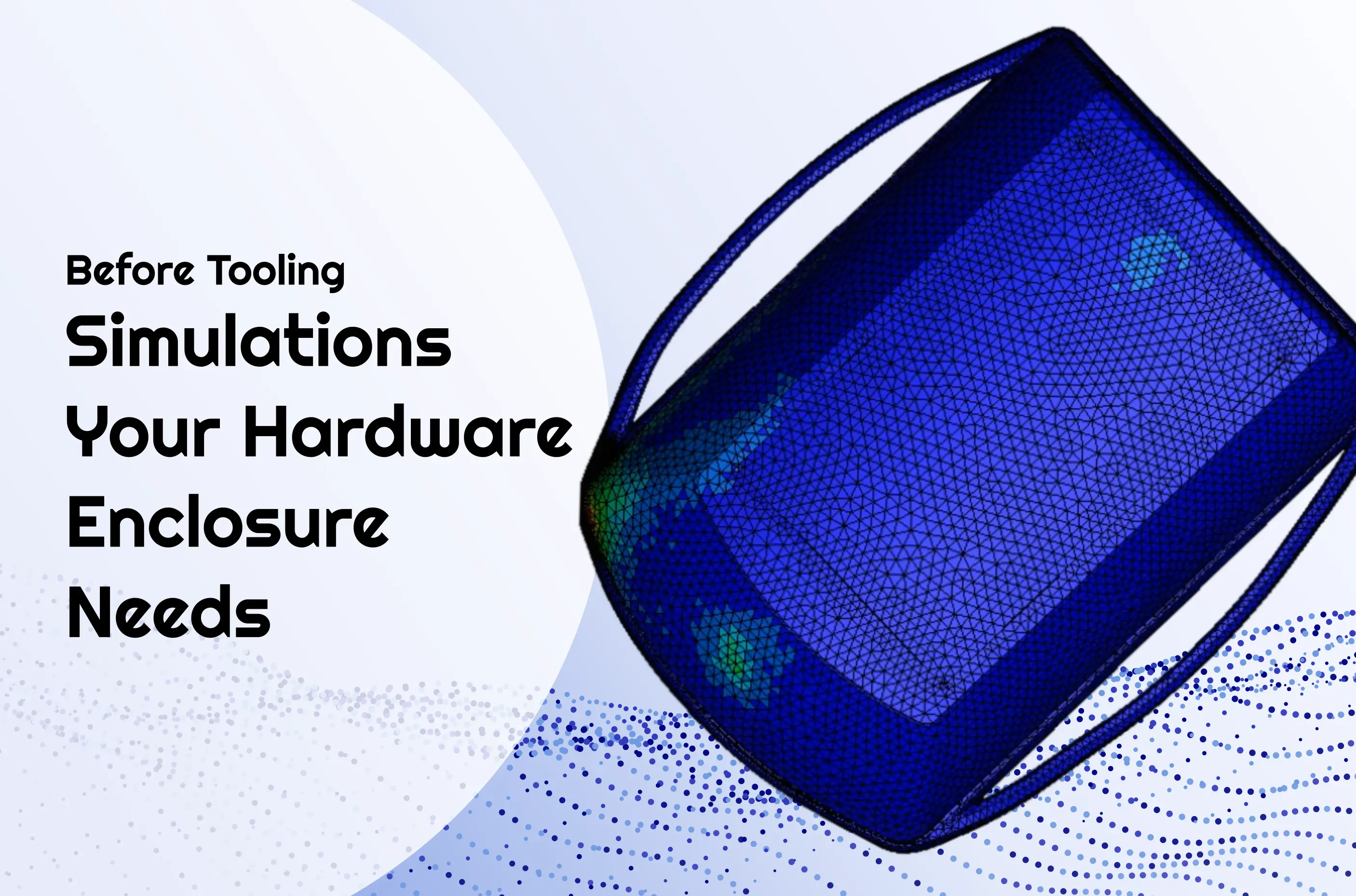
Essential Simulations Your Hardware Enclosure Needs Before Tooling

Design for Manufacturing in Electronics: 11 Practical Tips

The Guide to Choosing a Suitable Electronics Enclosure

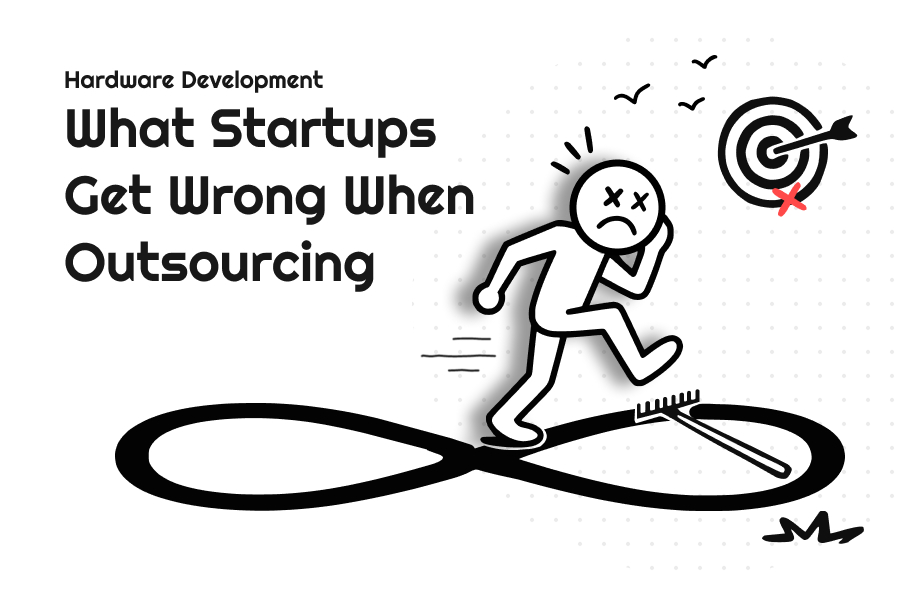
Minimalist black-and-white line illustration of a frustrated startup founder stepping on a rake while aiming at a target, symbolizing common mistakes in hardware outsourcing.

What Startups Get Wrong When Outsourcing Hardware Development

FAQs

Frequently Asked Questions

Have a question that needs a human to answer? No problem.

Speak to our Sales Team now
What does Power Electronics & BMS development include?
What is a BMS and when is it required?
What battery chemistries do you work with?
How do you approach EMC and electrical noise?
Can you prepare the system for CE, TÜV, or IEC certification?
How do you validate power electronics and BMS designs?