Hardware Prototype Development Services

Hardware prototype development is never about making a cheaper product version with rapid prototyping methods. It creates an integrated sample to test how electronics, firmware, mechanics, enclosure, and power systems work together before you invest in MVP.

5 months on average
from $30 to $100k
NDA. Full IP transfer
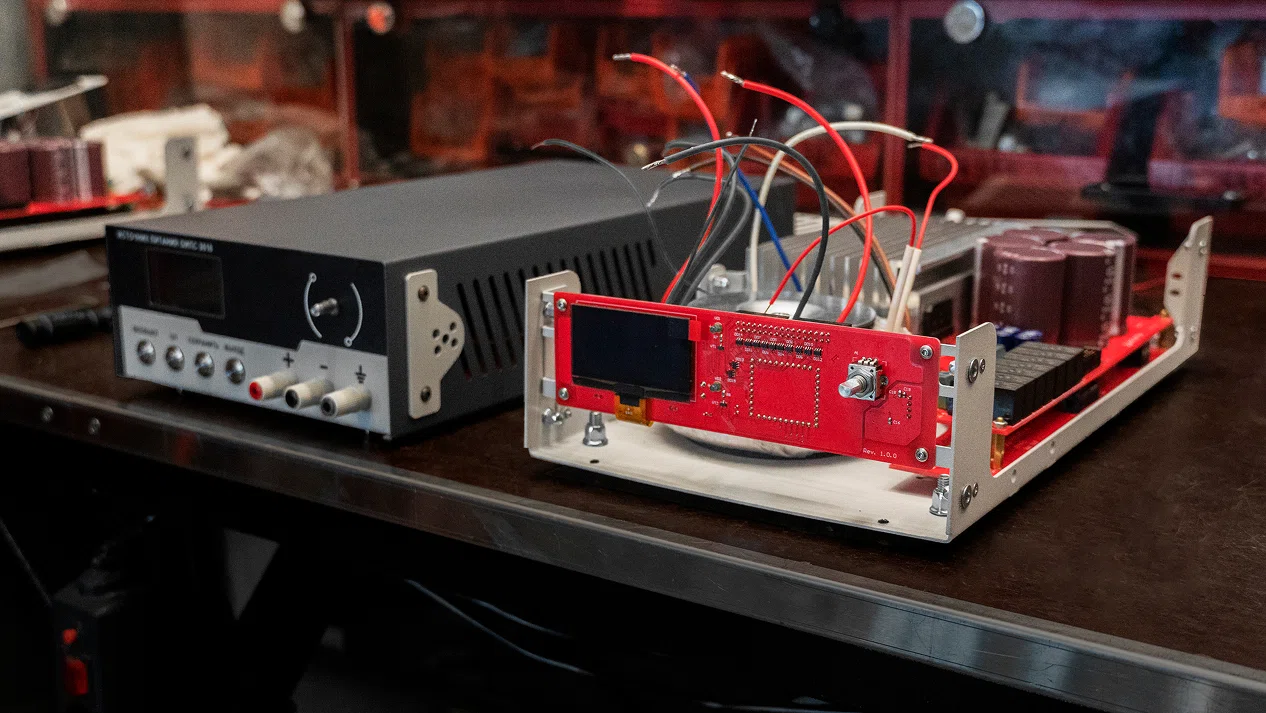
When You Need Prototype Development by EnCata

You've done everything you can do alone

You filed the patent. You built the PoC in your garage. You had AI render what the product could look like. None of that tells you whether the electronics, firmware, and mechanics will actually work together once they're in one enclosure.

You need a team that develops systems, not separate parts

We solve system integrity across electronics, firmware, mechanics, enclosure, sensors, actuators, and power in one engineering loop, so the prototype acts as a system rather than disconnected units.

You need testing close to real use

The prototype will reveal what changes off the bench – load, movement, heat, vibration, moisture, user handling, enclosure fit – giving you evidence before MVP, DFM, or pilot preparation.

Product development phases

EnCata supports products from Feasibility Study through Low Volume Manufacturing.

1

Product Discovery

A structured research phase that turns an initial idea into a clear product direction. We define the problem, target users, business goals, key requirements, risks, constraints, and development priorities before moving into technical validation.

GOAL
Define product vision, scope, and value proposition
Deliverables
Product vision, stakeholder and user insights, requirements, risk assessment, initial roadmap
2

Feasibility Study

A technical and business validation phase that determines whether the proposed product can be realistically built, scaled, and produced within target cost, performance, and manufacturing constraints. We compare possible architectures, identify risks, estimate key costs, and recommend the most viable development path.

GOAL
Confirm technical approach and validate the business case
Deliverables
Feasibility report, technology assessment, architecture comparison, BOM and cost estimate, recommended development path
3

Proof of Concept

A focused physical setup that tests whether the core technical principle can work in practice. At this stage, we isolate the critical assumption, use only the components and engineering effort needed for validation, and collect measurable evidence before moving to prototype development.

GOAL
Validate core technical feasibility with minimal resources
Deliverables
PoC question framing, bench-level setup or test rig, test results and observations, technical conclusion, recommended next steps
4

Prototype

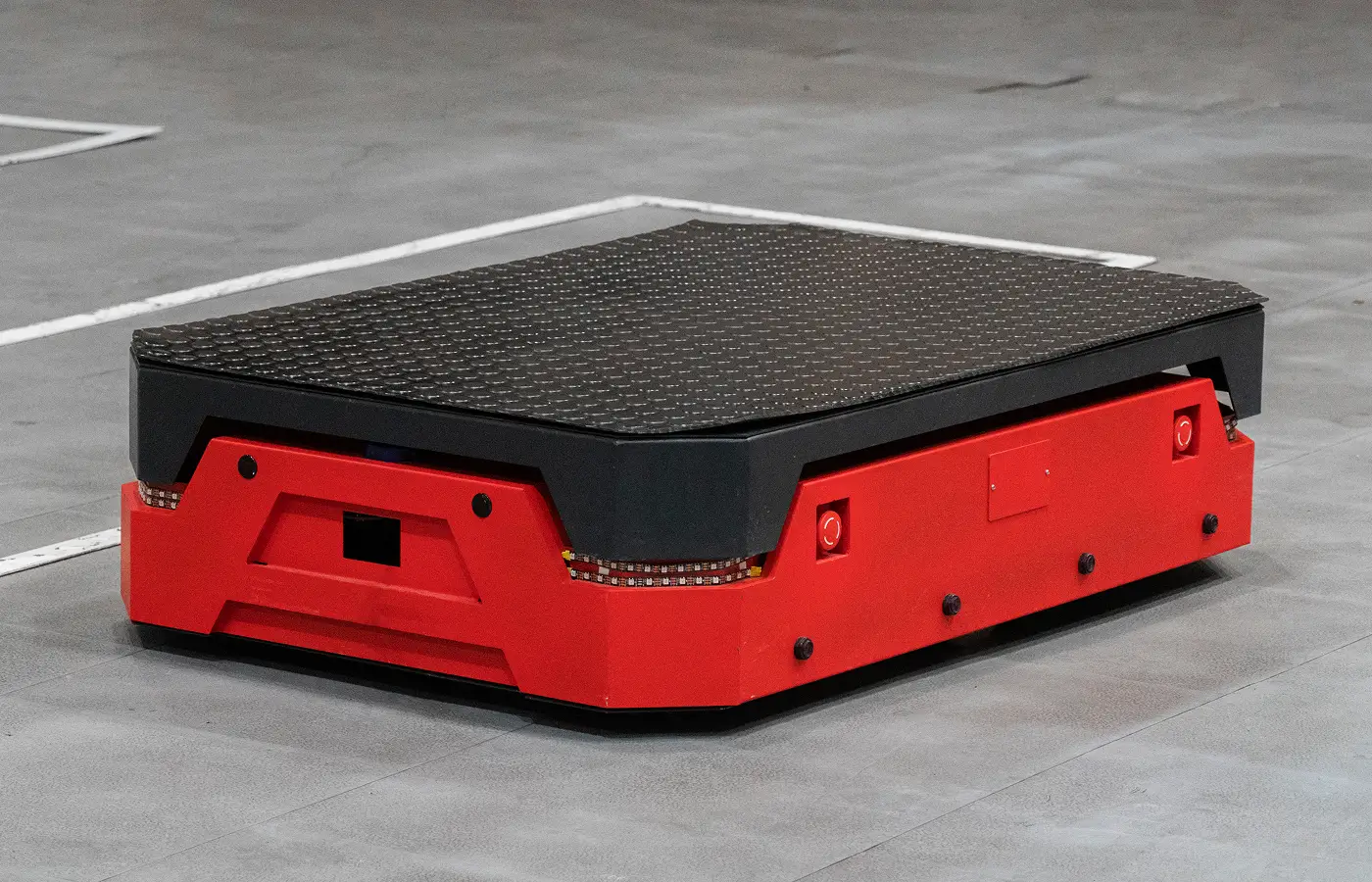
A functional product version used to test how all key units, components, and systems work together in conditions close to real use. At this stage, the product includes core features, a more detailed design and components than a PoC, while the enclosure and final production setup may still be refined.

GOAL
Validate functionality, refine engineering solutions, and collect early user feedback.
Deliverables
Functional prototype, integrated components, preliminary enclosure, test results, improvement recommendations.
5

MVP

A functional engineering device that integrates the core electronics, firmware, enclosure, and mechanical elements into a demonstrable product. At this stage, the team moves beyond isolated prototypes and prepares the solution for investor presentations, early user validation, field or laboratory testing, and pilot discussions.

GOAL
Build an integrated MVP that proves the product’s core value in real use conditions
Deliverables
Functional MVP device, optimized BOM, CAD files, PCB design files, firmware, assembly documentation, test findings, and recommendations for pilot manufacturing and DFM optimization.
6

Pilot Batch

A limited production run that checks whether the MVP can be manufactured consistently across multiple units. At this stage, we validate the assembly process, tooling, testing, quality control, yield, packaging, and readiness for the next manufacturing stage.

GOAL
Validate repeatable manufacturing before scaling production
Deliverables
Pilot readiness review, production-intent units, tooling and fixtures, test setup, assembly feedback, test results, defect findings, packaging notes, DFM recommendations, and a plan for low-volume or larger-scale production.

Product development phases

EnCata supports products from Feasibility Study through Low Volume Manufacturing.

Product Discovery

A structured investigation into whether the proposed solution is technically and commercially viable. We identify critical risks early and define the right technical approach before committing significant resources.

GOAL
Confirm technical approach and validate the business case
Deliverables
Feasibility report, technology assessment, recommended development path

Feasibility Study

A technical and business validation phase that determines whether the proposed product can be realistically built, scaled, and produced within target cost, performance, and manufacturing constraints. We compare possible architectures, identify risks, estimate key costs, and recommend the most viable development path.

GOAL
Confirm technical approach and validate the business case
Deliverables
Feasibility report, technology assessment, architecture comparison, BOM and cost estimate, recommended development path

Proof of Concept

A focused physical setup that tests whether the core technical principle can work in practice. At this stage, we isolate the critical assumption, use only the components and engineering effort needed for validation, and collect measurable evidence before moving to prototype development.

GOAL
Validate core technical feasibility with minimal resources
Deliverables
PoC question framing, bench-level setup or test rig, test results and observations, technical conclusion, recommended next steps

Prototype

A functional product version used to test how all key units, components, and systems work together in conditions close to real use. At this stage, the product includes core features, a more detailed design and components than a PoC, while the enclosure and final production setup may still be refined.

GOAL
Validate functionality, refine engineering solutions, and collect early user feedback.
Deliverables
Functional prototype, integrated components, preliminary enclosure, test results, improvement recommendations.

MVP

A functional engineering device that integrates the core electronics, firmware, enclosure, and mechanical elements into a demonstrable product. At this stage, the team moves beyond isolated prototypes and prepares the solution for investor presentations, early user validation, field or laboratory testing, and pilot discussions.

GOAL
Build an integrated MVP that proves the product’s core value in real use conditions
Deliverables
Functional MVP device, optimized BOM, CAD files, PCB design files, firmware, assembly documentation, test findings, and recommendations for pilot manufacturing and DFM optimization.

Pilot Batch

A limited production run that checks whether the MVP can be manufactured consistently across multiple units. At this stage, we validate the assembly process, tooling, testing, quality control, yield, packaging, and readiness for the next manufacturing stage.

GOAL
Validate repeatable manufacturing before scaling production
Deliverables
Pilot readiness review, production-intent units, tooling and fixtures, test setup, assembly feedback, test results, defect findings, packaging notes, DFM recommendations, and a plan for low-volume or larger-scale production.

Not Sure We’re the Right Fit?

Leave your contact details, and we’ll get back to you to explain what you can expect from working with EnCata: project outcomes, deliverables, cooperation models, and the next steps after your request.

Talk to EnCata

Our Approach to Hardware Prototype Development

Through numerous hardware projects, we’ve learned that a prototype should answer the right system-level questions without becoming an overbuilt version of the final product.

BOM-aware decisions

Even at the prototype stage, we consider the future BOM and target product cost. This helps avoid engineering choices that work once but become too expensive or difficult to scale later.

Focused prototype scope

We do not polish every model or develop every part to its final level. Engineering time goes into the components and subsystems that matter for checking how the product works as a system.

Long-term component logic

We select components and technical combinations with future availability in mind, so the prototype does not depend on parts that may soon become hard to source or impractical for later development.

Input review before
build

If you come with existing CAD, electronics, mockups, or technical assumptions, we review them before prototyping. High-risk or weak solutions are revised before they consume the prototype budget.

Why EnCata

01

Scope around your assumptions

You get a prototype built around the exact assumption you need to test (functionality, technical risk, investor demo, etc). The rest is excluded to keep the first build cost-efficient.

02

Custom only where needed

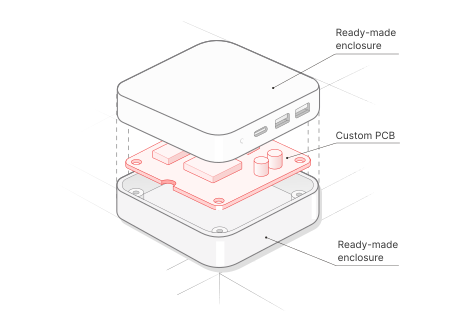
Ready-made modules, dev boards, or reference solutions are used when they are enough to answer the prototype question. Custom electronics, mechanics, or firmware are developed only where future product vision requires it.

03

Lower iteration costs

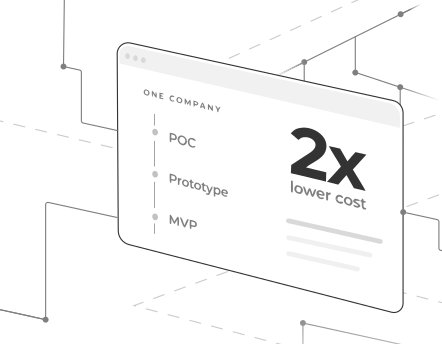
You avoid unnecessary overseas supplier loops. By keeping engineering, prototyping, assembly, and testing in one process, you can reduce total prototype iteration costs by up to 2x, especially when the build involves CNC parts, 3D printing, silicone molding, vacuum forming, electronics, firmware, and enclosure integration.

04

No hidden industry traps

Many engineering teams know one or two markets well. We have developed 100+ prototypes across 12 industries, so we recognize risks that may not be obvious at the concept stage and warn you early if a technical choice conflicts with your business idea.

Expert Insight

What Defines a Hardware Prototype

A hardware prototype sits between PoC and MVP.

A PoC tests whether the core technical principle works. A prototype tests how the main hardware and software components work together. An MVP tests whether the product is valuable to real users.

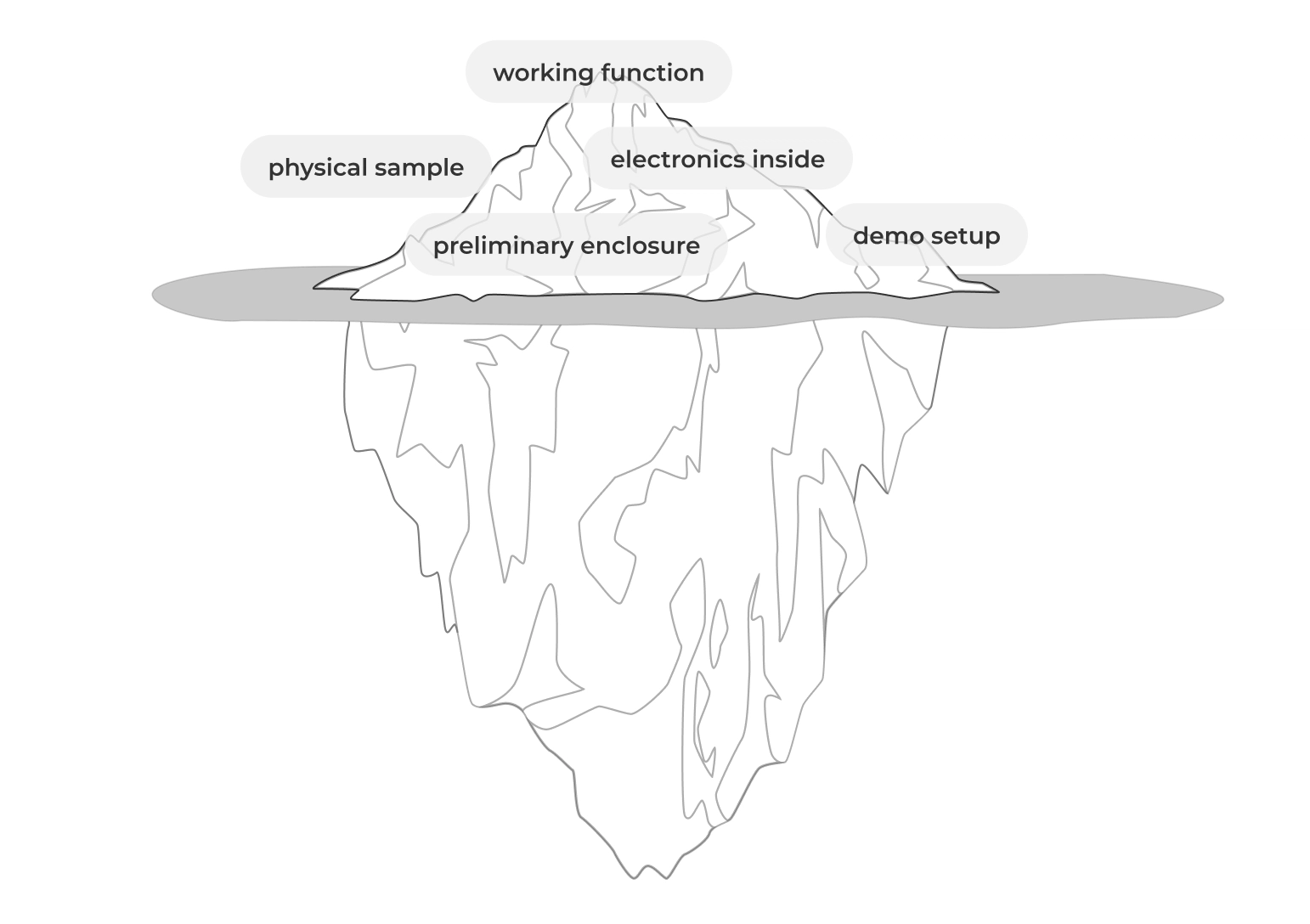
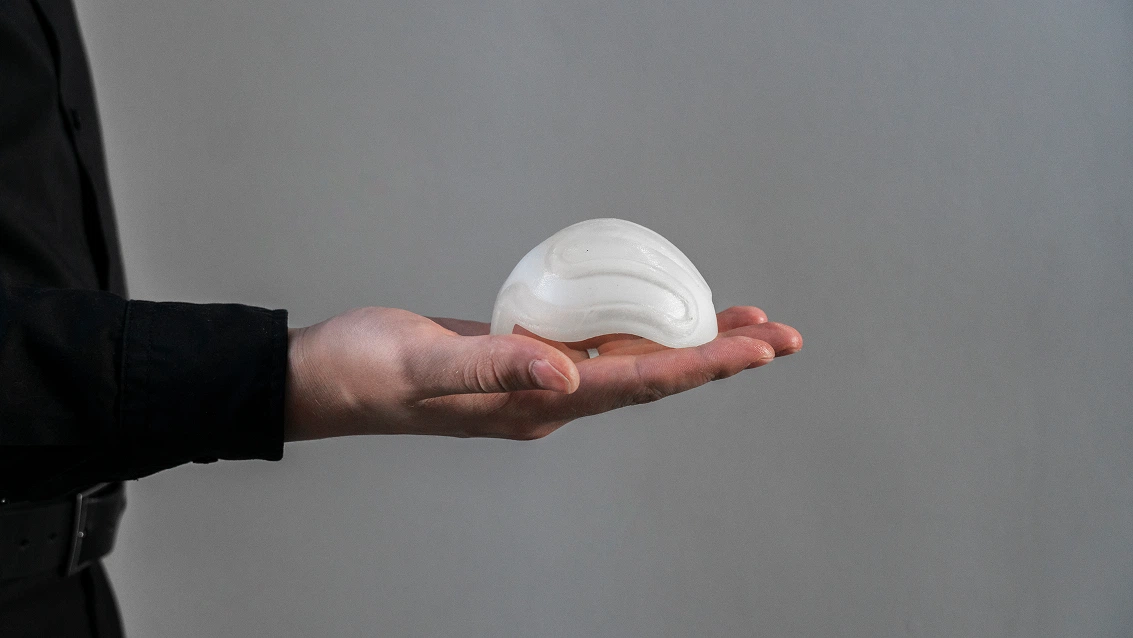
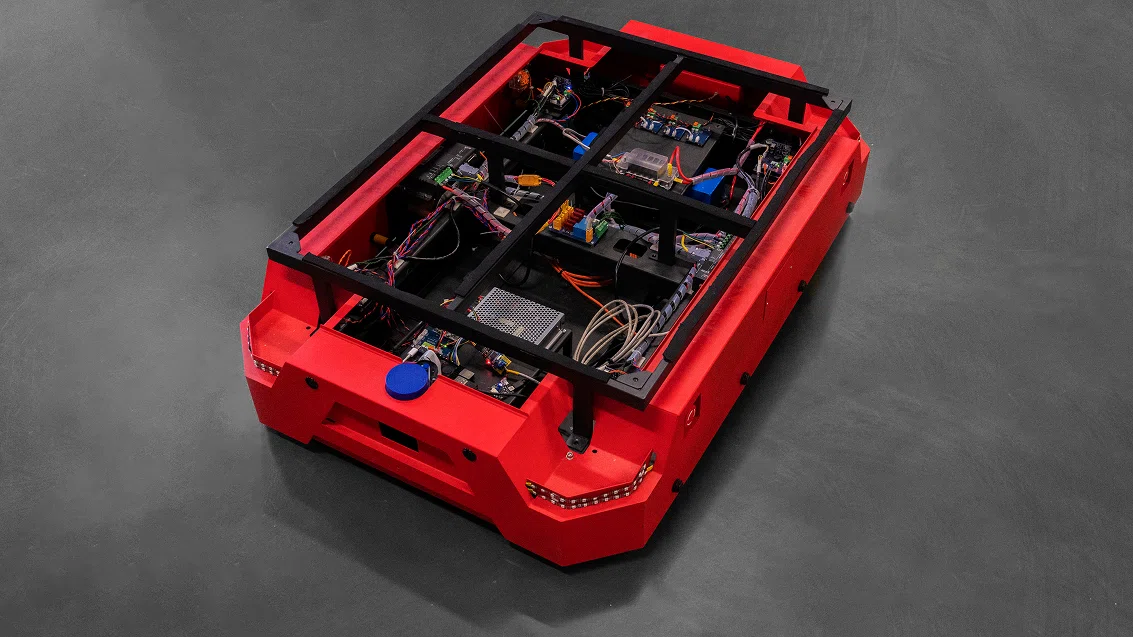
Most teams evaluate prototypes by what they can see. But a real engineering prototype must also reveal what happens inside the system.

Integration
gap

Separate parts work, but fail when electronics, mechanics, firmware, and enclosure come together.

Environment gap

The prototype works on the bench, but behaves differently under load, heat, vibration, or real handling.

Readiness gap

Testing shows what must be refined, simplified, or redesigned before MVP.

Expert Insight

Featured Projects

Work that highlights the incredible technologies, solutions, and products EnCata developed

View all portfolio
Robotics

Custom Warehouse and Factory Robot

EnCata developed a minimum viable product – a robot for factory and warehouse automation. It can carry loads of up to 200 kg, operate autonomously for 3 hours without recharging, and features a 120×80×40 cm platform.

200 kg

load capacity

3 hours

operating time under load

View Project
Agriculture

Smart Soil Irrigation System Development

EnCata helped a startup develop a smart soil irrigation system from concept to MVP. The system includes custom electronics, BLE, LoRaWAN, and solar-powered modules for real-time soil monitoring and control. Built and tested in just 8 months.

5 kms

range of operation

2 control options

remotely through the mobile network and directly via Wi-Fi modules

View Project
Vehicles

Waterproof Antenna Enclosure Design

We developed a waterproof enclosure for a UHF antenna used in ship navigation and UAV control. The system is mounted up to 50 m underwater. EnCata delivered industrial design, mechanical engineering, and a working prototype. All IP belongs to the customer.

50 meters

Immersion depth of the device

4 months

From concept to working prototype

View Project
Consumer & wearable

Compact horizontal drilling tool

EnCata engineered a compact horizontal directional drilling system for trenchless pipe-laying. The full-stack solution integrates mechanics, hydraulics, and electronics to create pilot boreholes with precise control.

By 2 times

rod strength increased by 2 times after upsizing its diameter from 25 mm to 32 mm

10.7 kg

the weight of the hydraulic piercer

View Project
Other

A system for analyzing the parameters of the vessel's movement

EnCata provided mechanical and electronics engineering services to design and prototype a modular waterproof enclosure (IP-67) for marine navigation.The system analyzes a vessel’s movement data and the hydrometeorological situation to improve navigational safety.

TRL-7

from idea to field testing

‍

90% fewer

connectors & cables needed

View Project
Consumer & wearable

IoT powered rodent detector

EnCata engineered an IoT rodent detection system with movement sensors and NB-IoT data transfer. The system detects rodent activity and sends data to the cloud. The project spanned from electronics design and 3D modeling to prototype development and a 10-unit pilot batch in 6 months.

10 µA

standby current of the first prototype

23 h

time to manufacture 10 prototypes

View Project
0
0

Need a Contractor Who Can Quickly Get Into Your Project?

Tell us about your product in the form below. We’ll contact you within 24 hours, review your current inputs, and help turn them into a clear technical brief within a week.

Send Reqs
Expert Insight

What’s Included in Hardware Prototype Development

We work with different starting points: from a raw concept to existing CAD, electronics, mockups, or PoC results. The goal is to build the right prototype version to test system behavior without creating unnecessary redesign later.

Starting point review

We review your idea, PoC, CAD, electronics, mockups, or existing prototype before the build. If something has a high risk of failure, we define what must be revised first.

Prototype manufacturing

We manufacture the required number of prototypes using suitable in-house production methods, choosing technologies that match the prototype goal, budget, and expected next stage.

Subsystem development

We develop and refine how mechanics, electronics, firmware, power, sensors, enclosure, and ready-made or custom modules work together as one system.

Next-stage handoff

We provide the required files, document prototype findings, and share technical recommendations for the next stage: MVP, DFM, pilot batch, or another iteration.

Meet EnCata Team

We serve as your all-in-one team, eliminating the need to coordinate with various freelancers or companies.

45+
team
12
prototypers
1,200 m²
manufacturing facility
Industries

We Design Across Various Industries

Deep domain understanding increases the success rate of your product.

Consumer & wearable

Consumer & wearable

96
projects delivered

Our team specializes in full-cycle consumer electronics and wearables development and manufacturing. Explore the page to see relevant project examples.

See how we deliver
IIoT & automation

Industrial IoT (IIoT) and Automation Hardware Solutions

15
projects delivered

EnCata will automate your production facility or warehouse with sensors, actuators, and edge computing, providing real-time data processing and efficiency.

See how we deliver
Industrial equipment & tools

Custom Industrial Equipment & Tools

243
projects delivered

Can’t find the right equipment? Discover how EnCata’s custom-built solutions tackle your unique challenges and enhance your production efficiency.

See how we deliver
Analytical & lab equipment

New Analytical & Laboratory Equipment Development

12
projects delivered

Explore EnCata’s custom solutions for analytical and lab equipment. Discover our precision design and development services—click to enhance your lab today!

See how we deliver
Agriculture

Custom Agricultural Hardware Solutions

8
projects delivered

EnCata helps bring your new tech in agriculture to life, including precision agriculture and robotic farming, turning your innovative ideas into reality.

See how we deliver
Green tech

Green Tech

projects delivered

This page is still under development. If you're interested in our experience in this field, please fill out the contact form and we’ll get back to you.

See how we deliver
Healthcare

Healthcare

23
projects delivered

Expertly developed, tested, and manufactured devices ready for market entry. We guide your product through all stages to market. Go test our expertise!

See how we deliver
Robotics

Robotics Solutions for Cutting-Edge Automation

6
projects delivered

Custom robotics solutions for automation—robotic arms, AGVs, and more. Contact us to develop tailored robotics systems for your business needs.

See how we deliver
Smart city

Smart City

projects delivered

This page is still under development. If you're interested in our experience in this field, please fill out the contact form and we’ll get back to you.

See how we deliver
Food tech

Custom Hardware Solutions for Food and Drinks

6
projects delivered

We develop custom solutions for food and drinks: from dosing and filling systems to quality control, and automated cooking systems. Contact us today!

See how we deliver
Vehicles

Vehicles

projects delivered

This page is still under development. If you're interested in our experience in this field, please fill out the contact form and we’ll get back to you.

See how we deliver
Other

Other

projects delivered

This page is still under development. If you're interested in our experience in this field, please fill out the contact form and we’ll get back to you.

See how we deliver
FAQs

Frequently Asked Questions

Have a question that needs a human to answer? No problem.

Speak to our Sales Team now
What is the difference between PoC and prototype?
What is the difference between prototype and MVP?
What TRL is a hardware prototype?
What is TRL 7 then?
Does a prototype need custom electronics?
Does a prototype need an enclosure?
How long does hardware prototype development take?
How much does hardware prototype development cost?
Can EnCata improve an existing prototype?
Can EnCata continue after prototype development?
How many prototype units can EnCata build per month?